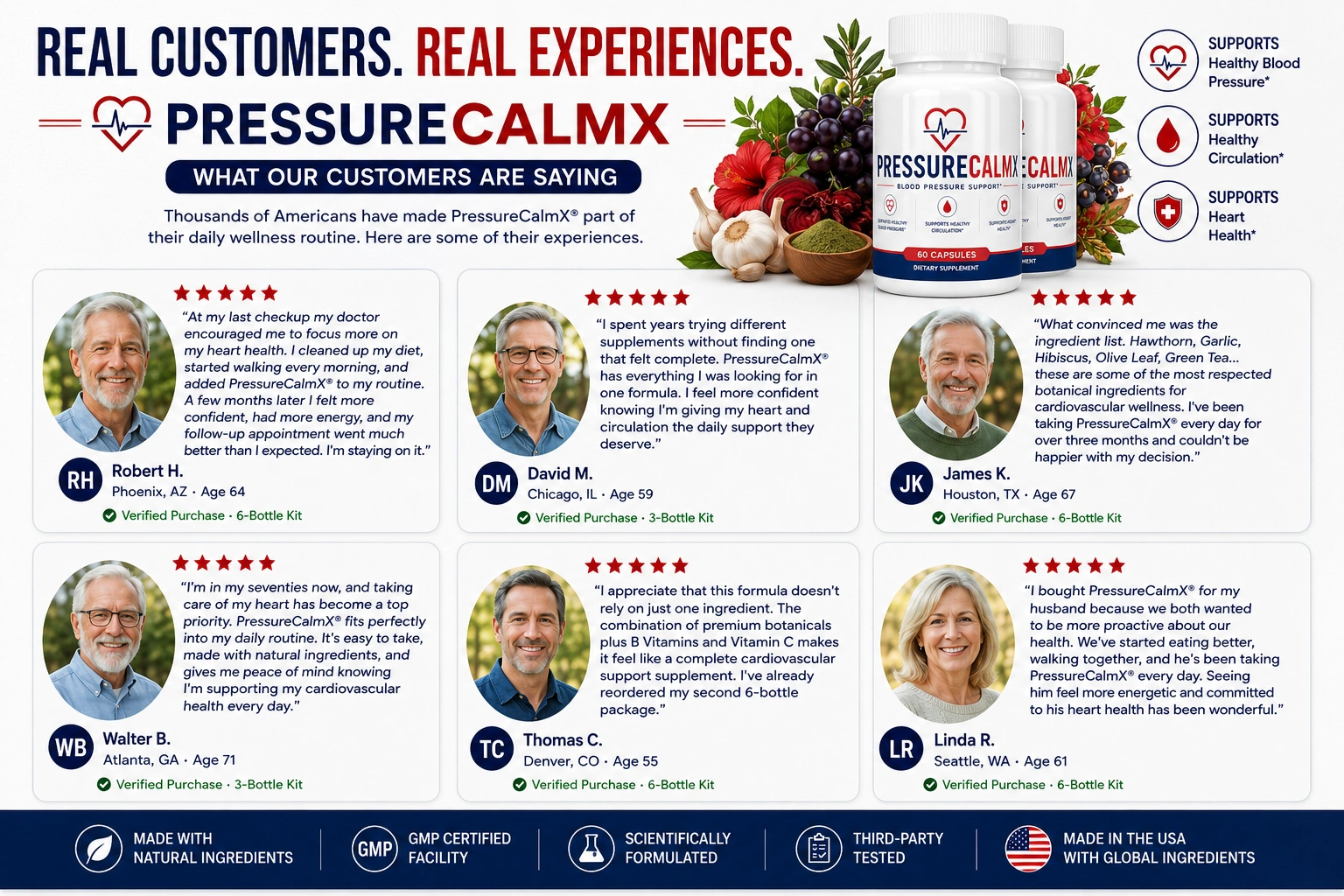
If you've ever left a doctor's office with two numbers scribbled on an after-visit summary and no real explanation of what they mean, you're not alone. Blood pressure numbers get thrown around constantly — at home cuffs, pharmacy kiosks, annual checkups — but rarely explained in plain terms. Here's the breakdown, in language that doesn't require a medical degree.
The Two Numbers, Explained
A blood pressure reading always has two parts, written like a fraction: for example, "120 over 80." The top number is systolic pressure — the force in your arteries when your heart beats and pushes blood out. The bottom number is diastolic pressure — the pressure in your arteries when your heart rests between beats.
Think of it like a garden hose. Systolic is the surge of water when you squeeze the nozzle. Diastolic is the baseline pressure sitting in the hose when you let go. Both matter, and doctors look at the relationship between them, not just one number in isolation.
What the Ranges Generally Mean
Health organizations publish general reference ranges, though your own doctor's interpretation always takes priority since your history, age, and other conditions matter. In broad strokes:
- Normal range: generally considered to be below 120 systolic and below 80 diastolic.
- Elevated: systolic numbers creeping into the 120s with diastolic still under 80.
- Stage 1: systolic in the 130s or diastolic in the 80s.
- Stage 2: systolic 140 or higher, or diastolic 90 or higher.
These categories are general reference points, not a diagnosis. A single high reading at a stressful appointment doesn't mean much on its own — trends over time, measured consistently, tell the real story.
Why Your Reading Changes Day to Day
It's completely normal for your numbers to shift throughout the day. Caffeine, stress, a full bladder, cold weather, a rushed walk from the parking lot, or even talking during the reading can all nudge the number up temporarily. This is exactly why doctors care more about a pattern across multiple readings than a single number captured on a stressful Tuesday morning.
If you track your numbers at home, try to measure at the same time of day, seated, after a few quiet minutes, with your arm supported at heart level. Consistency in how you measure matters as much as the number itself.
Lifestyle Factors Worth Knowing
A handful of everyday factors have a well-documented relationship with healthy circulation and blood pressure already within a normal range:
- Sodium intake — processed and restaurant food is usually the biggest source, more than the salt shaker at home.
- Movement — regular walking supports healthy circulation over time.
- Sleep quality — poor sleep is linked to less stable readings.
- Stress patterns — chronic stress keeps the body in a heightened state more often.
- Hydration — both dehydration and its opposite can shift readings temporarily.
Many people layer a daily botanical routine — like a formula built around hawthorn, garlic, and olive leaf — on top of these habits, not as a replacement for them. If you want to see what that kind of formula looks like, our ingredient breakdown covers it in detail.
When to Talk to Your Doctor
This article is educational, not diagnostic. If your home readings are consistently elevated, if you experience symptoms like dizziness, chest discomfort, or shortness of breath, or if you're starting any new supplement while on blood pressure medication, that's a conversation for your doctor — not a blog post. Bring your tracked numbers to your next appointment; a written log is far more useful to a physician than a single memory of "it was kind of high once."
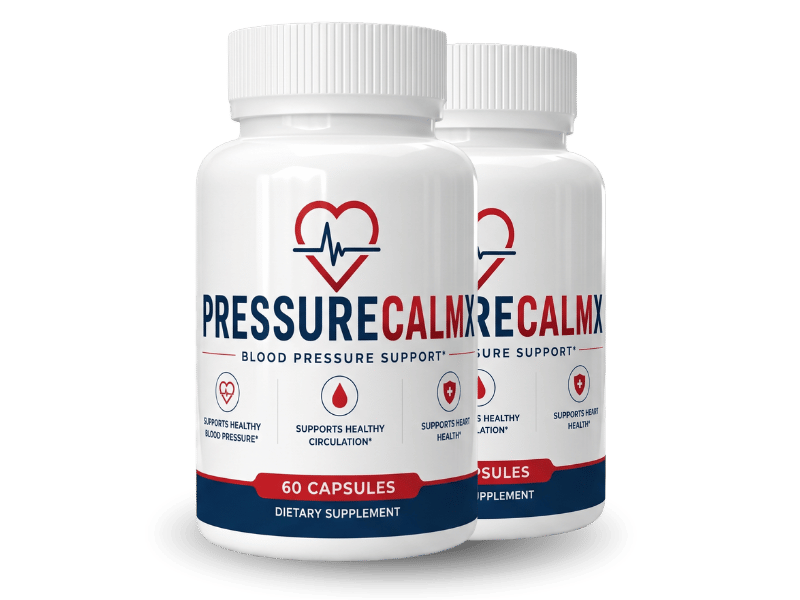
Curious what's actually in a daily heart-support formula?
See the full ingredient breakdown and pricing.
See Today's PricingFAQ
Usually not on its own. A single elevated reading is common and often tied to stress, caffeine, or measurement conditions. Patterns over time matter more than one number.
Most guidance suggests measuring at a consistent time, such as morning before coffee, seated and rested for a few minutes beforehand.
No. Supplements can support a healthy routine, but they don't replace monitoring or medical guidance, especially if you have a diagnosed condition.