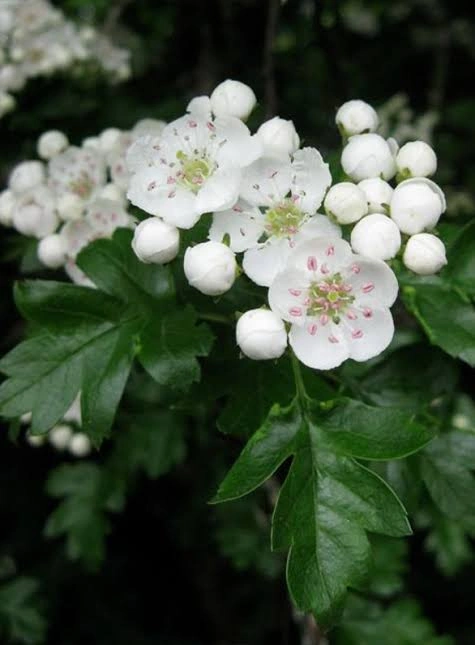
Two ingredients show up again and again in cardiovascular-focused botanical formulas: hawthorn and garlic. They've been used separately for centuries, long before "proprietary blend" was a phrase on a label. Here's what each one actually brings to the table, and why they're often paired together.
Hawthorn: The Traditional Heart Herb
Hawthorn leaf and flower has a long history in European herbal traditions, where it was used as a general tonic for the heart and circulation. Modern interest centers on hawthorn's naturally occurring flavonoids — plant compounds associated with supporting healthy blood vessel function and circulation.
Hawthorn isn't a fast-acting ingredient. Traditional and modern use alike treat it as a long-term botanical, taken daily over months rather than as a one-time dose.
Garlic: The Most-Studied Botanical for Circulation
Garlic bulb is probably the most extensively studied plant ingredient in cardiovascular wellness research. Its natural sulfur compounds and antioxidant content are the main areas of interest, with much of the research focused on how garlic-derived compounds interact with blood vessel function and circulation over time.
One practical note: garlic supplements can have a mild blood-thinning effect for some people, which is why it's grouped with the ingredients worth mentioning to your doctor if you're on blood thinners.
Why They're Often Combined
Formulators pair hawthorn and garlic because they approach circulation from different angles — hawthorn through blood vessel support, garlic through its antioxidant and vascular research base. Neither is presented as a stand-alone fix; they're building blocks within a broader botanical blend, usually alongside ingredients like olive leaf, hibiscus, and B-vitamins.
What Dosage Actually Looks Like
Dosage matters more than the ingredient name on the label. A formula that lists "hawthorn" without a milligram amount tells you very little. Look for supplement facts panels that disclose either individual amounts or, at minimum, a clear total blend weight — PressureCalmX, for example, discloses a 620mg proprietary blend across its eight botanicals.
Setting Realistic Expectations
Neither hawthorn nor garlic is a drug, and neither works overnight. If you're evaluating a formula built around them, plan for a 90-day minimum before drawing conclusions, taken consistently as part of a daily routine — not as an occasional add-on.
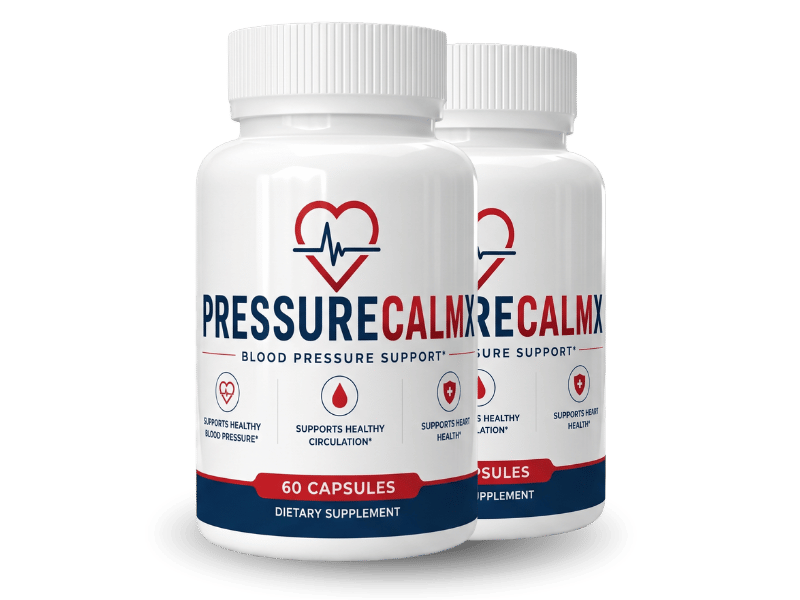
See what's actually in the formula
Ingredient breakdown, dosages, and today's pricing.
See Today's PricingFAQ
You can, but most formulas combine several botanicals because they're thought to support circulation through different mechanisms rather than one single pathway.
It can have a mild effect on blood clotting for some people, so it's worth mentioning to your doctor if you take blood-thinning medication.
Traditional and modern use both treat it as a long-term, cumulative botanical — most guidance points to weeks to months of consistent daily use.