Supplement labels are legally required to disclose certain information, but they're also designed to be sold. Knowing the difference between a transparent label and a vague one is one of the most useful skills you can bring to any purchase — not just a heart-health formula.
Start With the Supplement Facts Panel
This is the standardized box, separate from the marketing copy, that lists each ingredient and its amount. If a product only shows this information as an image rather than readable text somewhere on the page, that's worth a second look — legitimate brands make it easy to find.
Understanding "Proprietary Blends"
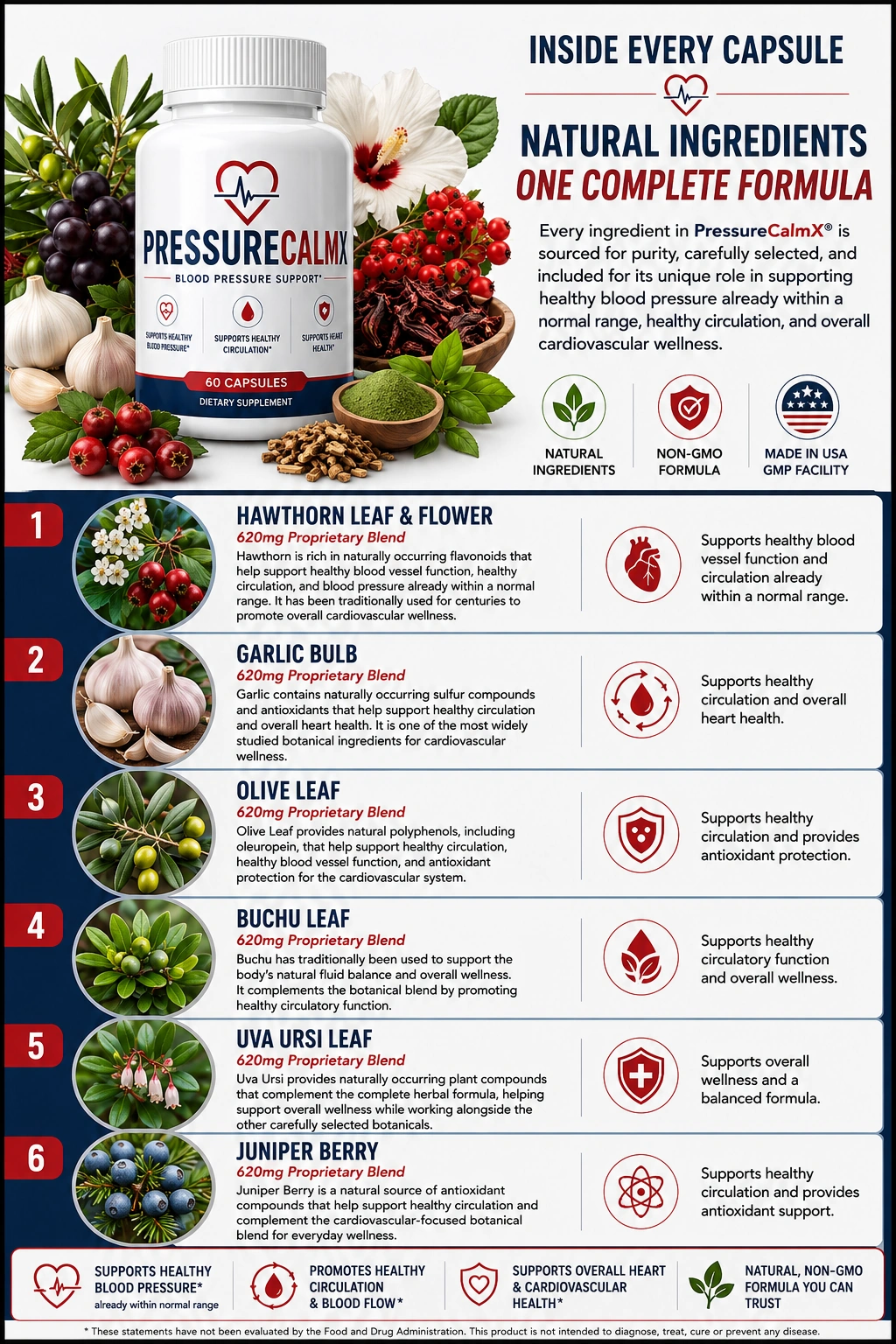
A proprietary blend lists a group of ingredients with one combined weight, rather than breaking out each ingredient's individual dose. This isn't automatically a red flag — it's a common and legal way to protect a formula — but it does mean you're trusting the brand's overall dosing philosophy rather than verifying each ingredient's amount yourself. Reputable brands are usually transparent about ingredient order (listed by descending weight) even within a blend.
Actual Red Flags to Watch For
- No supplement facts panel at all — anywhere on the site.
- Claims to "cure" or "treat" a named disease — legitimate supplements use structure/function language, not disease-treatment claims.
- Fabricated clinical studies or vague references to "a university study" with no citation.
- Celebrity endorsements that seem too perfectly matched to the product, especially without a visible disclosure.
- No manufacturer location or facility certification (like GMP) listed anywhere.
Signs of a Transparent Brand
- A visible, legible supplement facts panel
- Manufacturing location and facility certification disclosed
- Structure/function language ("supports," "promotes") instead of treatment claims
- A clear, findable refund policy
- An FDA disclaimer in the footer, as required for dietary supplements
Questions Worth Asking Before You Buy
Where is this made, and is the facility certified? What's the actual dosage of the key ingredients, even within a blend? Is there a real, time-bound guarantee? Does the marketing ever cross into "treats" or "cures" language? A brand that answers these clearly, without hedging, is usually one worth trusting with a 90-day commitment.
See what's actually in the formula
Ingredient breakdown, dosages, and today's pricing.
See Today's PricingFAQ
Not necessarily. They're legal and common. The key is whether the rest of the label and brand are otherwise transparent.
Good Manufacturing Practice certification means the facility follows quality-control standards for consistency and safety in how supplements are produced.
It's the legally required framing for dietary supplements — they can support general wellness but cannot legally claim to diagnose, treat, cure, or prevent disease.